

A guide for parents in the UAE

The return to school after the summer holidays can bring excitement, but for some children, it can also bring big feelings. Separation anxiety may become more noticeable as routines change and children adjust to returning to school.
You may notice your child becoming clingy, tearful or reluctant to go to school. They may experience stomach aches or headaches, struggle to sleep, become irritable, have more tantrums (Vaughan et al., 2017) or repeatedly ask when you will return. Some worry around separation and returning to school can be a normal response to change.
What is behind the behaviour?
For a child experiencing separation anxiety when starting or returning to school, saying goodbye to a parent or caregiver can feel difficult. They may worry about being apart from the person who helps them feel safe and secure. They might be thinking, “What if I miss Mum or Dad?”, “What if I need them?” or “What if I can't manage without them?”
Children do not always have the words to explain these worries. Instead, their feelings may come out through their behaviour.
This doesn't mean you need to remove every difficult situation or convince your child that there is nothing to worry about. Instead, a parent's or caregiver's role is to help children feel understood while gradually building their confidence so that they can manage the separation.
How can parents and caregivers help?
- Validate their feelings. Try saying, “I can see you're worried about going back to school. It feels hard to say goodbye.”
- Create predictable routines. Consistent morning routines and a simple goodbye ritual can help children know what to expect.
- Use a transition object. A small comfort item, sensory object, photo or little note from Mum or Dad can provide a sense of connection and reassurance during the school day.
- Work with the school. Speak with your child's teacher, school counsellor or wellbeing team about how they can support the transition. The teacher might greet your child at the door, help them settle into a familiar activity or provide extra reassurance at drop-off. Having a consistent adult available can help children feel safe and supported.
- Consider what makes separation easier. For some children, having another trusted adult drop them off, using the school bus, or having a clear and consistent drop-off routine may make saying goodbye easier.
- Keep goodbyes calm and confident. Offer warmth, reassurance and a clear message that you will return, while keeping the goodbye short and predictable.
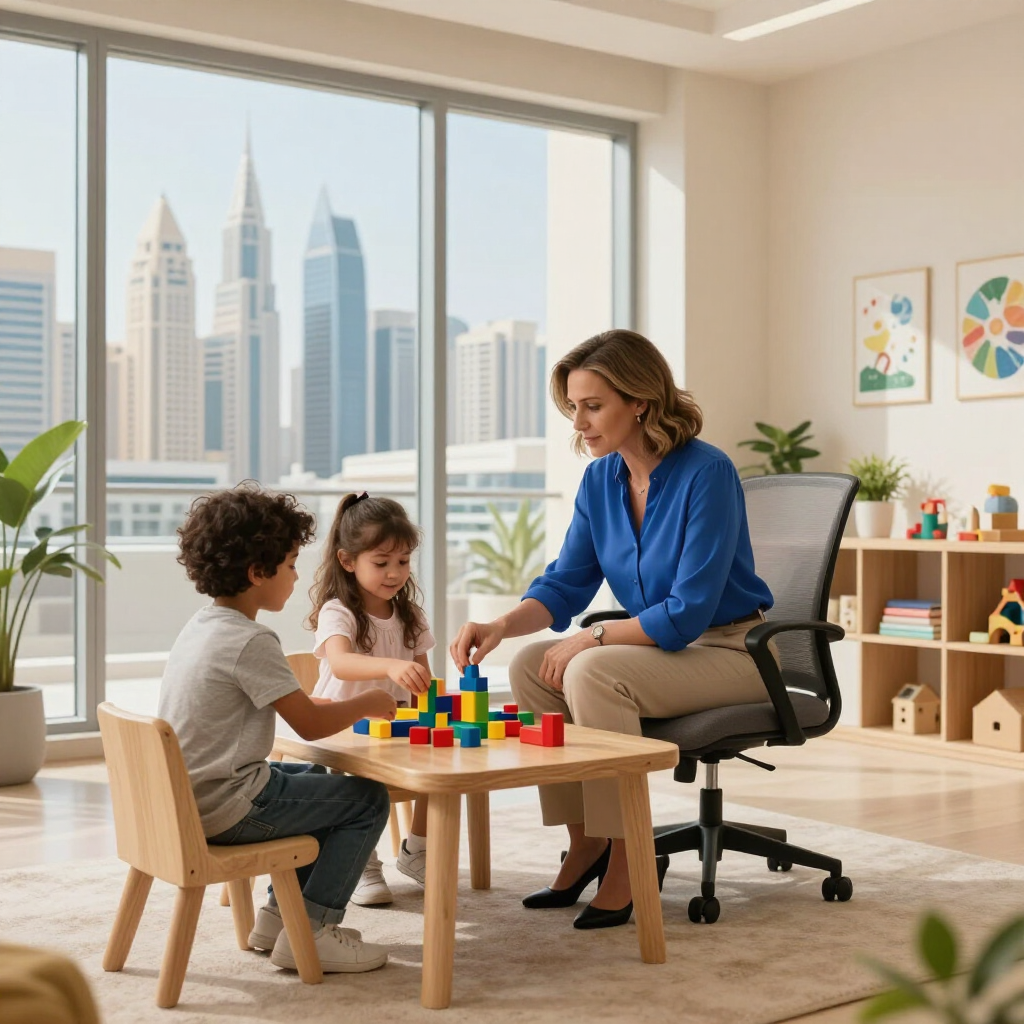
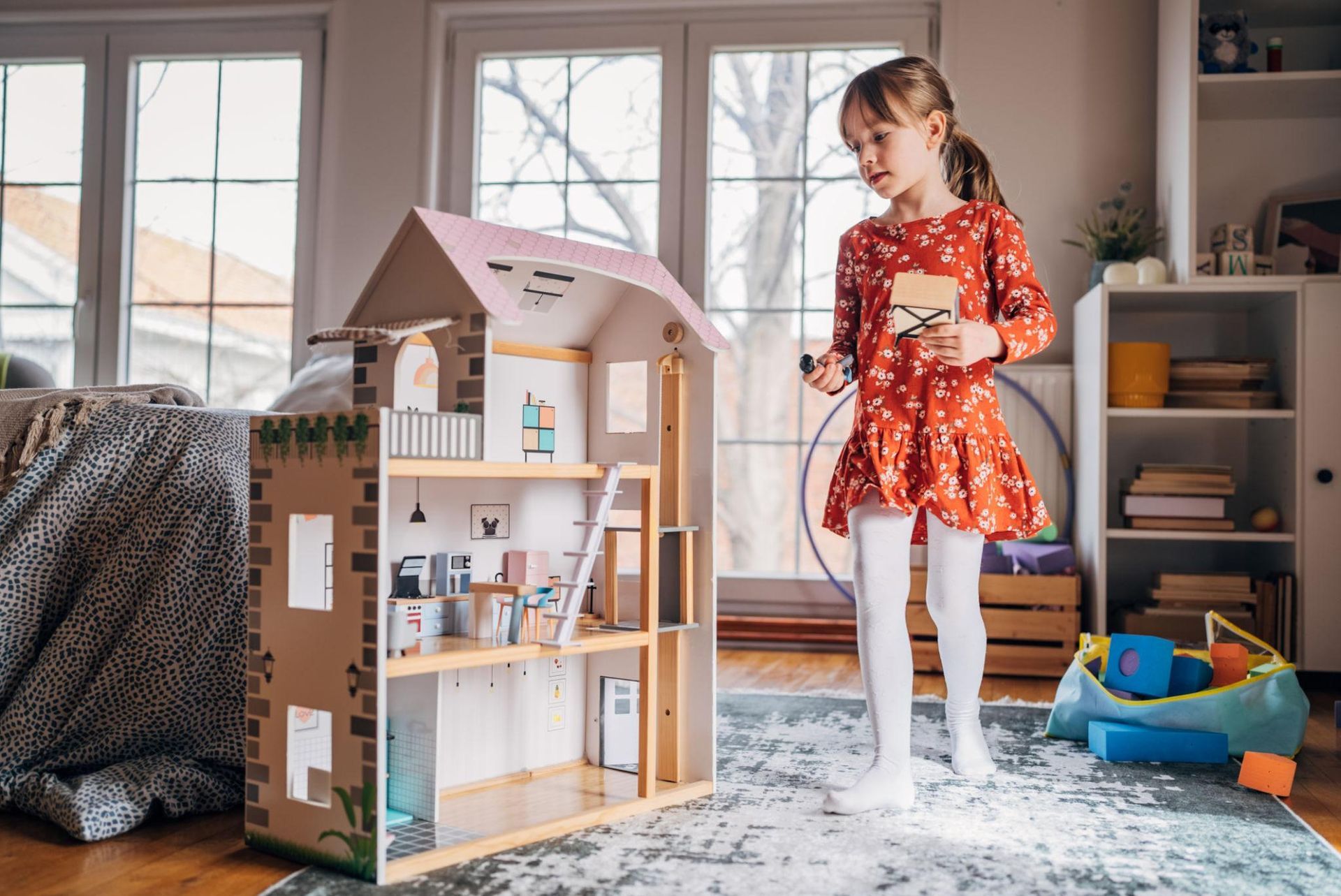
- Give space to talk and play. Children may communicate worries through play, drawing and conversation, giving you clues about what they may be experiencing.
- Use positive affirmations:
- “You are safe.”
- “You can do hard things.”
- “It is okay to feel worried.”
- “You are brave.”
- “I believe in you.”
9. Look beyond the behaviour. If your child becomes upset or refuses to get ready, pause and consider what they may be feeling underneath. They may be worried, overwhelmed or finding the transition difficult.
When to seek support
If your child's anxiety persists, becomes difficult to manage or starts affecting their everyday life or school attendance, consider seeking additional support. You may wish to speak with your child's teacher, school counsellor or wellbeing team to discuss how they can support your child at school.
If you remain concerned about your child's emotional wellbeing or would like guidance on how best to support them, contact Play Therapy Centre for a consultation.
References
Qutishat, M., Elabasy, A. E., Lazarus, E., Al-Hadidi, M., & Al Gharibi, K. (2026). Effectiveness of therapeutic and educational interventions for childhood separation anxiety: A scoping review. Journal of Paediatrics and Child Health, 62(8), 1363–1376. https://doi.org/10.1111/jpc.70492
Vaughan, J., Coddington, J. A., Ahmed, A. H., & Ertel, M. (2017). Separation anxiety disorder in school-age children: What health care providers should know. Journal of Pediatric Health Care, 31(4), 433–440. https://doi.org/10.1016/j.pedhc.2016.11.003